- |
|
 |
 |
|
|
|
|
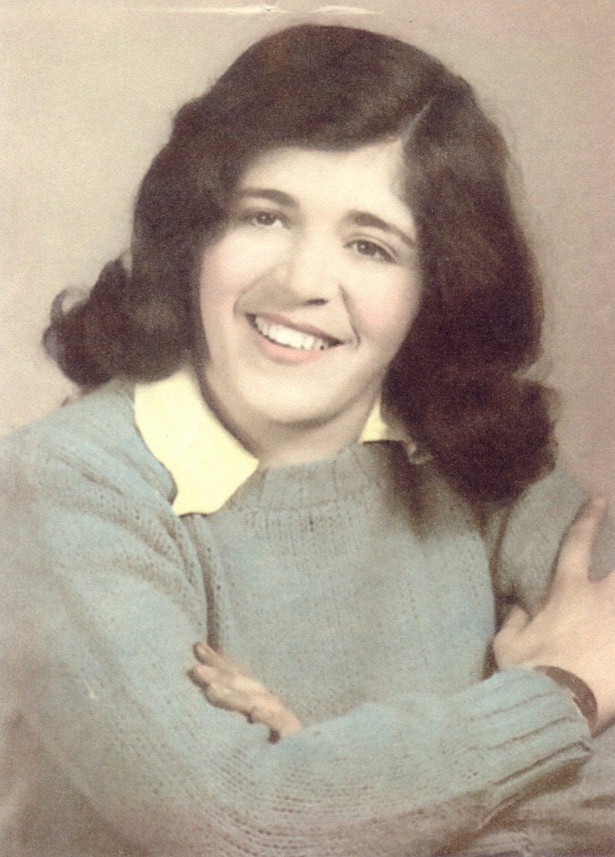
Mary Coniglio Denisco Sowa |
~ Page 2 |
- |
|
|
|
|
|
|
|
 |
 |
 |
|
. |
|
|
 |
 |
Tim
Bailey |
||
|
|
|
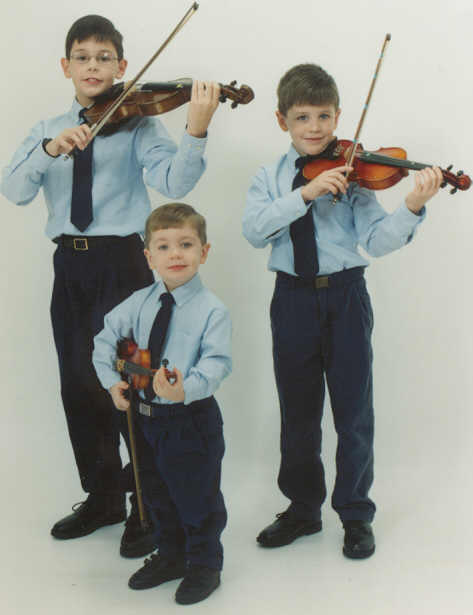
Virtuosos DJ Tim Bailey |
 |
|
|
. |
|
|
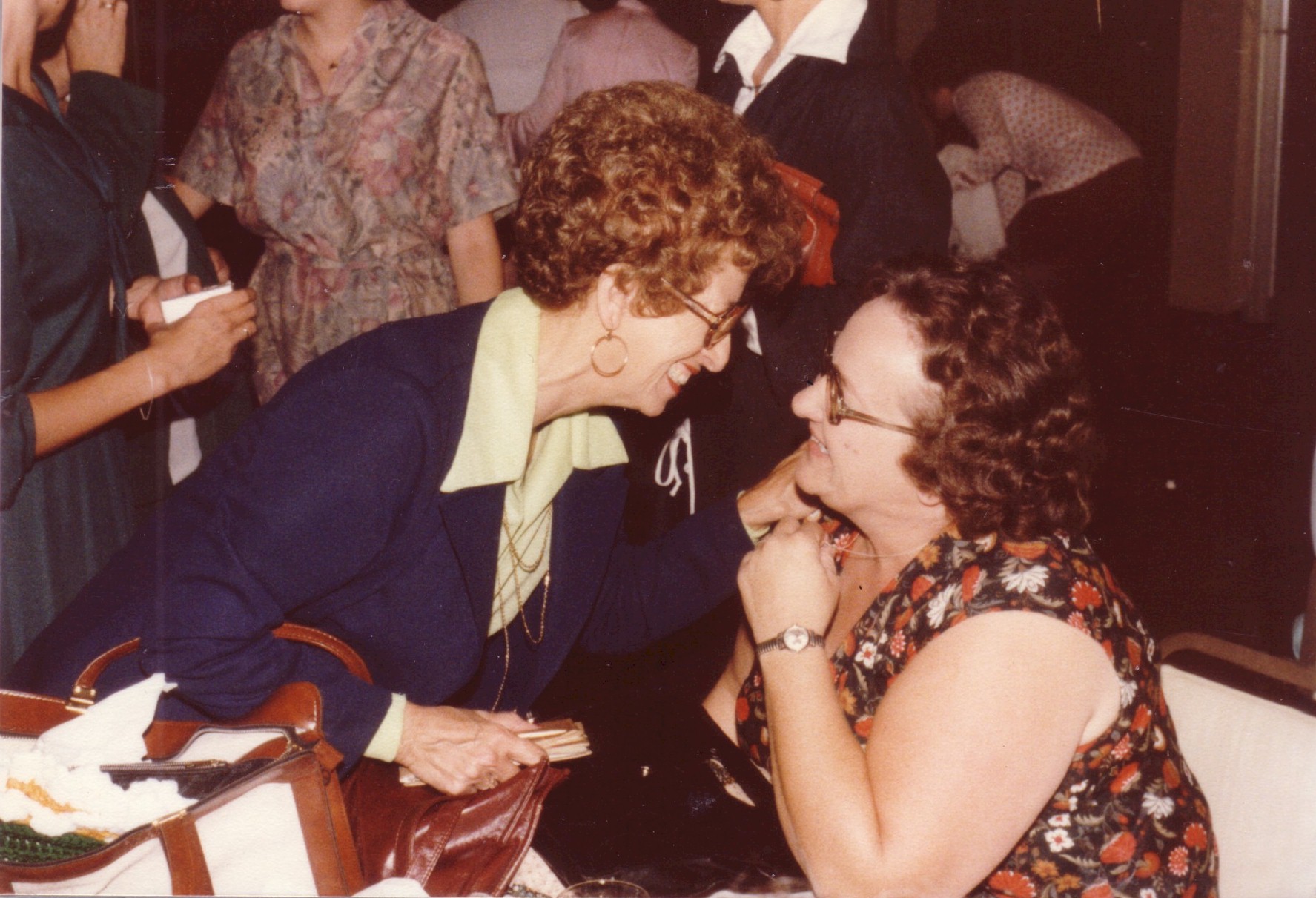
Marion Coniglio and Irene
Kucharski |
|
. |
|
|
|
|
|
|||
2000 |
2002 |
2003 |
June 2003 |
| . | |||
|
 |
 |
 |
|
2004 |
200 5 |
2006 |
2007 |
| . | ||
|
|
 |
 |
2008 |
2009 |
2010 |
| . | ||
 |
 |
|
|
2012 |
2013 |
Reminder: 2000! |
|
|
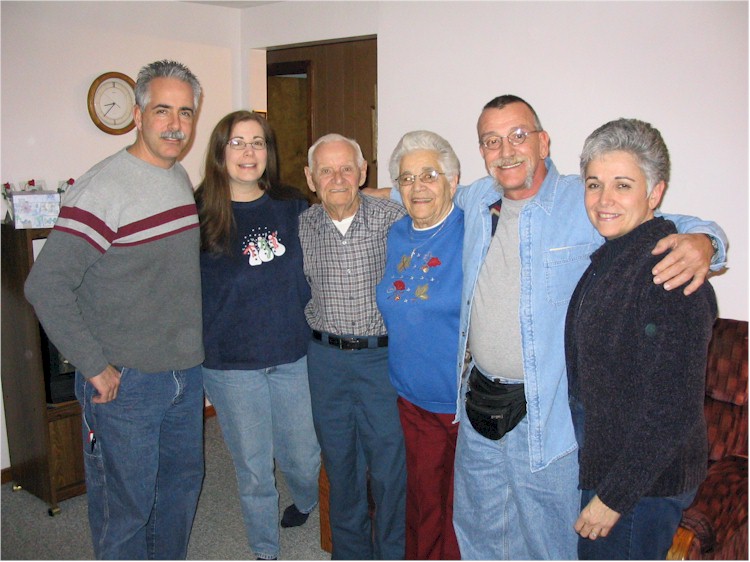 |
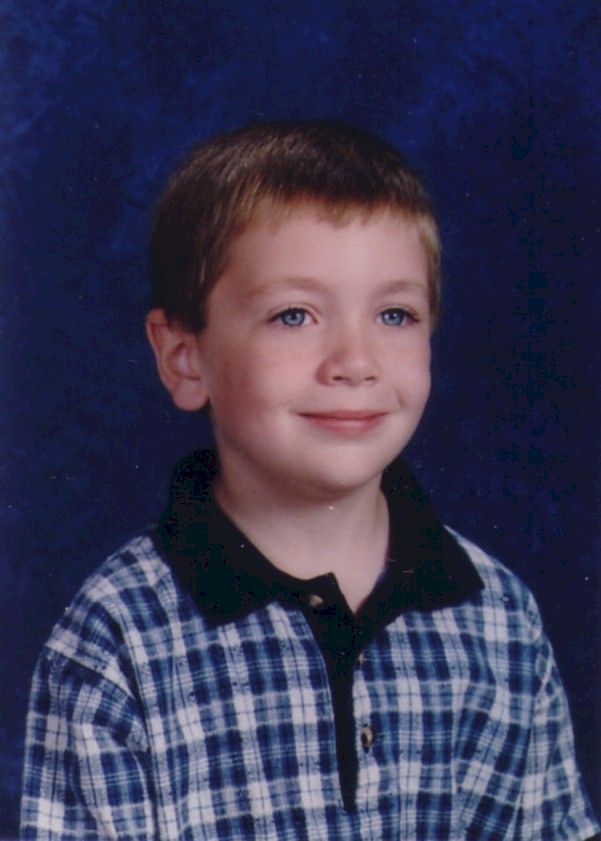
| Frank Jr., Maria, Frank, Mary, Dennis, Denise ~ 2005 |
| . | ||
| The Valints ~ 2004 | ||
 |
 |
 |
| DJ | Tim | Bailey |
|
. |
. |
|
||||||||||||||||||||||||||||||||||||||||||||||||||||||||||||||||||

|
. |
|
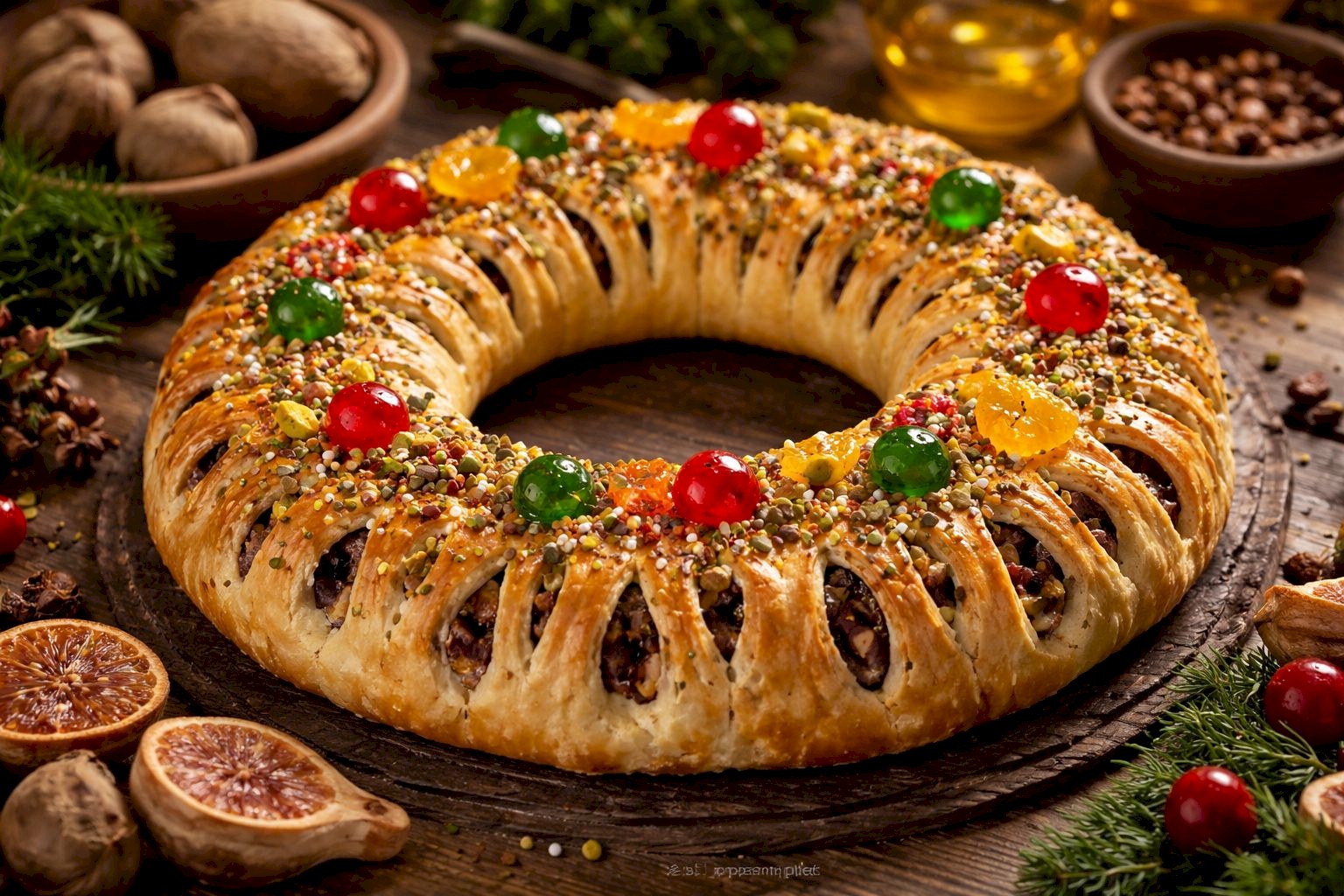
From Bucellatum to Purciddatu:
The Evolution of Sicily’s Stuffed Festive Pastries
1. The Roman Root: Bucellatum
The story begins with bucellatum, a term used in
Roman antiquity to describe a ring-shaped or hard bread, often baked
twice, designed for durability. It derives from buccella (“mouthful”
or “bite”), emphasizing portioned consumption rather than softness.
In late Roman and early Byzantine Sicily, bucellatum
underwent two crucial transformations:
Softening: as military rations gave way to domestic
baking.
Sweetening and enrichment: through honey, dried
fruits, and later sugar.
Thus, bucellatum ceased to be merely bread and became
a ritual food, especially associated with winter festivals and the
agricultural calendar.
2. Arab Sicily and the Birth of the Stuffed Pastry
The Arab period (9th–11th centuries) marks the
decisive turning point.
Arab culinary culture introduced:
Sugarcane
Almonds, pistachios, walnuts
Citrus peel
Spices (cinnamon, clove)
At this stage, the bucellatum becomes:
Filled rather than plain
Symbolically closed (enclosing abundance within
dough)
Associated with celebration, especially the solstice
/ Christmas period
This is the true ancestor of modern cucciddati.
3. Linguistic Fragmentation: One Ancestor, Many Names
As Sicily fragmented into semi-isolated baking
traditions, names evolved through dialectal phonetics and semantic
emphasis.
a. Cucciddatu / Cucciddati
From Latin buccellatum → bucciddatu → cucciddatu
Emphasis on the ring shape and continuity
Typical of western and central Sicily
Often large, ring-shaped, shared communally
b. Nuciddatu / Nuciddati
From nuci (walnuts)
Name shifts focus from form to primary filling
Common where walnuts dominated over figs
Smaller, often individual portions
c. Purciddu / Purcidduzzu / Purcidatti
Named after zoomorphic shapes (little pigs)
Reflects symbolic baking rather than ingredient focus
Pig = abundance, fertility, prosperity
Especially common in inland or agrarian communities
Here, the bucellato concept fragments not by recipe,
but by what the community chose to emphasize:
Shape
Filling
Symbol
4. Morphological Evolution: From Ring to Multiplicity
Originally:
One large, ring-shaped pastry, sliced and shared
Later developments:
Miniaturization (individual pastries)
Figural forms (fish, birds, pigs, baskets)
Braided or latticed tops
This reflects:
Changes in household ovens
Increased availability of ingredients
A shift from communal ritual to family-centered
celebration
5. Ingredients as Cultural Markers
Despite local variation, a core matrix persists:
The Filling
Dried figs (ancient Mediterranean staple)
Nuts (walnuts, almonds)
Citrus zest
Grape must or honey
Spices
The Dough
Wheat flour
Fat (lard → later butter or oil)
Mild sweetness, never overpowering
The resilience of this structure across centuries
confirms a single archetype, not multiple origins.
6. Christmas and the Survival of the Archetype
Why did these pastries survive almost exclusively at
Christmas?
Because they functioned as:
Compressed abundance (summer fruit preserved for
winter)
Edible memory
Ritual continuity in a land of constant political
change
The bucellato ceased to be everyday bread and became
ceremonial food, guarded by tradition.
7. Conclusion: One Pastry, Many Voices
Cucciddati, nuciddati, purcidatti are not different
inventions, but dialectal, symbolic, and morphological descendants
of the same ancient form.
They represent:
The Roman idea of the shared ring
The Arab genius for sweetness and stuffing
The Sicilian instinct to narrate culture through food
In essence, every Sicilian Christmas pastry of
this family is a spoken dialect of the same culinary language, whose
grammar was written two millennia ago.
(This summary courtesy of Giuseppe Balistreri on facebook.) |
|
. |
|
. |
|
. |
|
||||||||
|
||||||||
|
||||||||
|
|
||||||||
|
||||||||
|
|
| . |
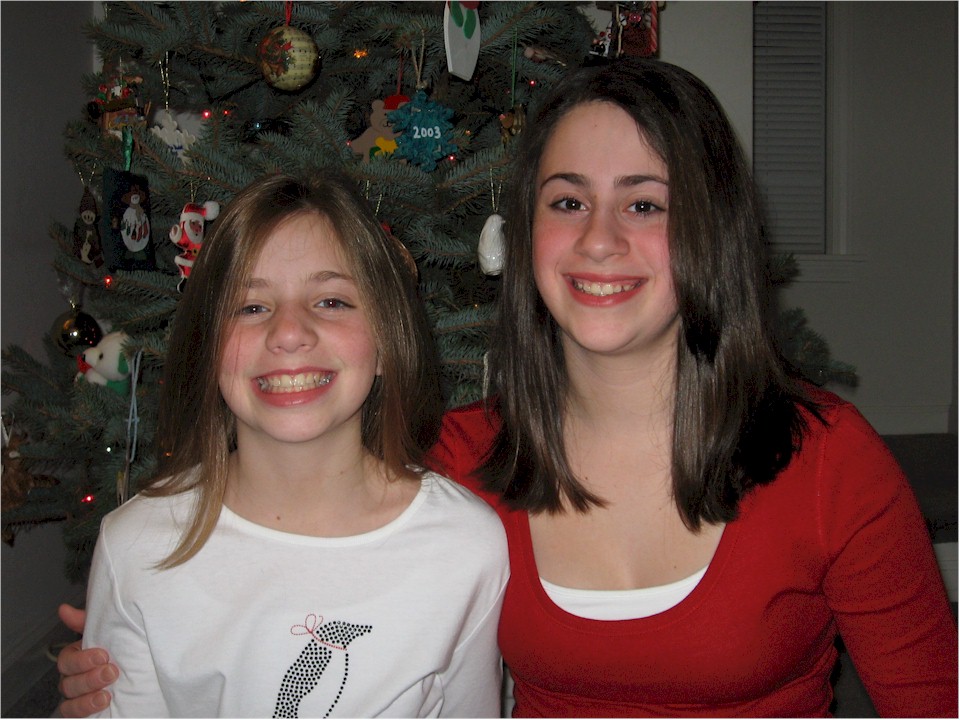
| Gabrielle and Francesca ~ Christmas 2007 |
 |
| . |
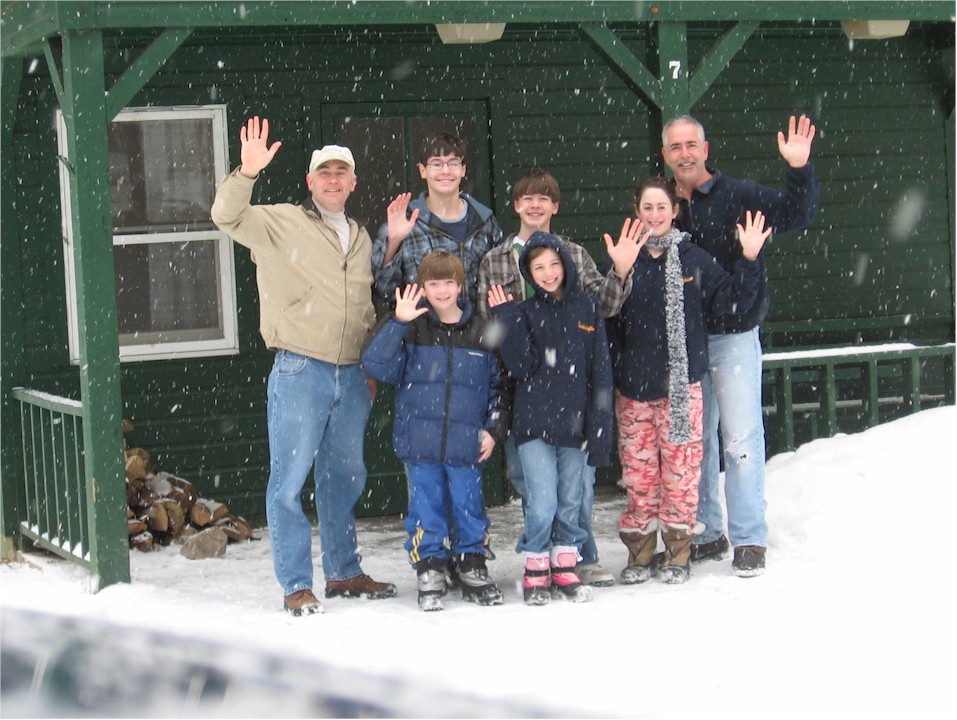
| The Valints and the Sowas ~ Allegany State Park, March 2008 |
 |
|
Sam and
Stacey Tiranno February 14, 2009 |
The Sowas, Tirannos and Valints at Sammy and Stacey's reception. |
 |
 |
 |
 |
| Mary and Tommy | Mary and Ray |
| at Ray's house, February 2010 | |
|
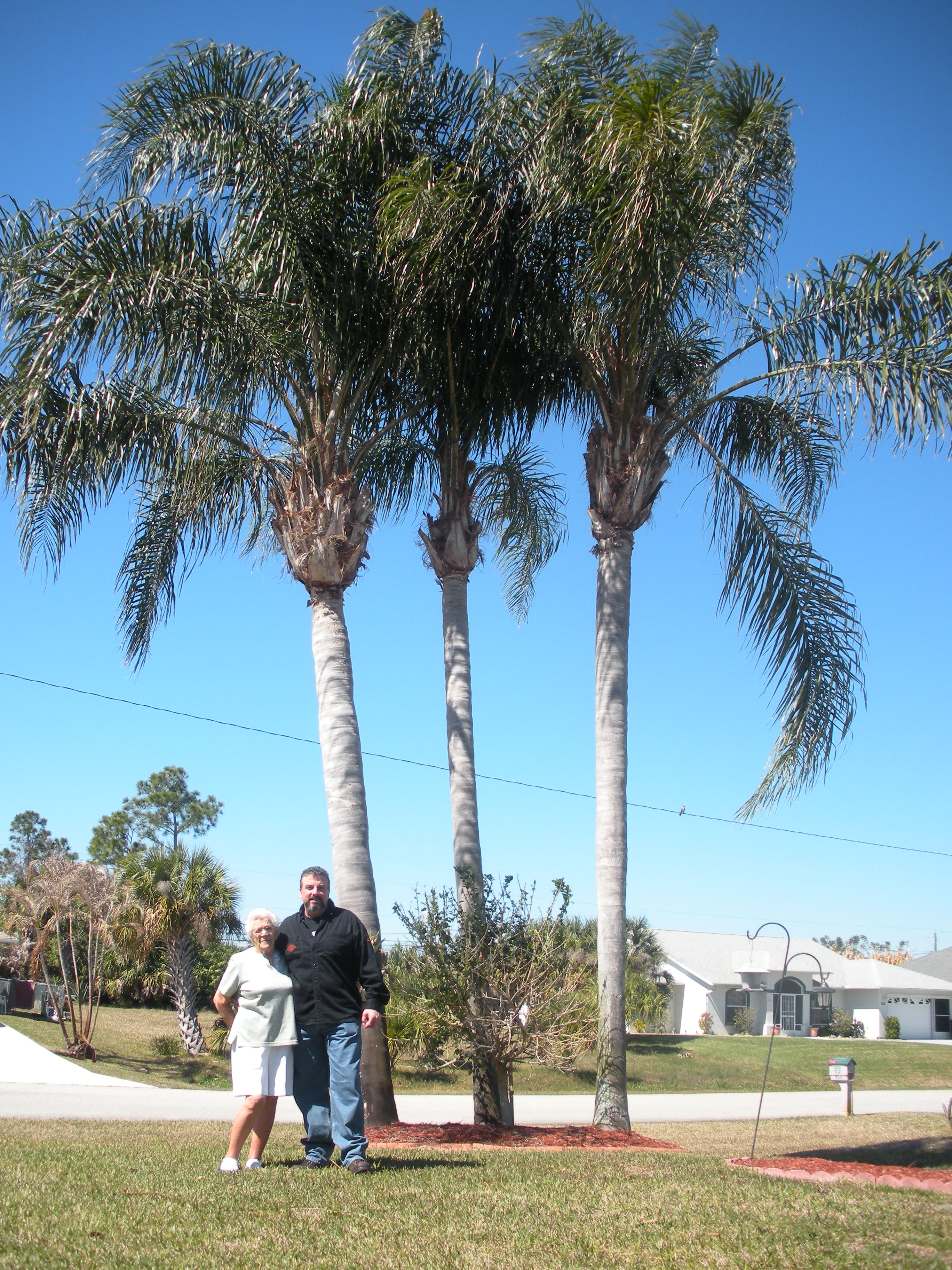
On Tuesday, November 16th, 2010, Mary went
with her next-door neighbor Irene Kucharski and friends to play cards at
another friend's home. After playing for a time, as she was
collecting some winnings, she put her hands to her chest, exclaimed
"Oh!" and succumbed to a fatal heart attack. While her family
and friends were shocked by her death, we are comforted to know
that she was with her best friend, and that she left us without
suffering. ~ Ange Coniglio |
||||||
 |
 |
 |
 |
 |
 |
 |
 |
 |
 |
 |
 |
 |
|
|
||||||
|
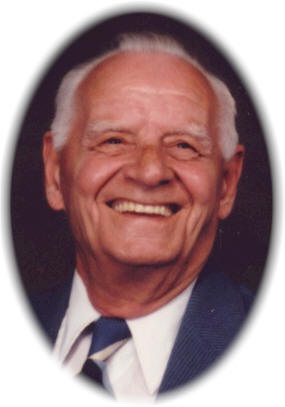
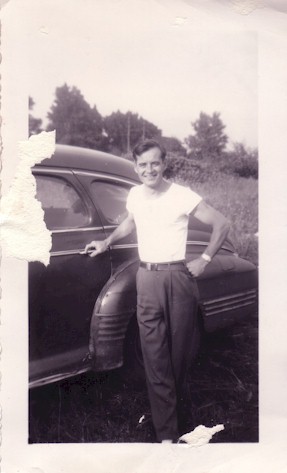
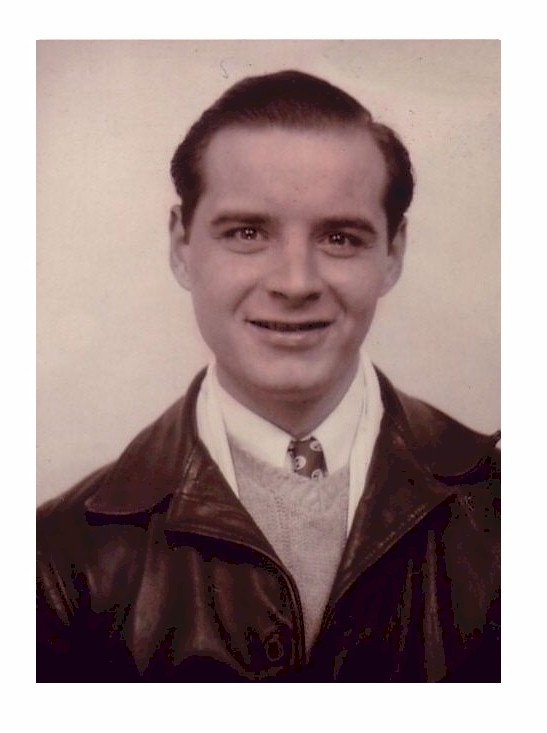
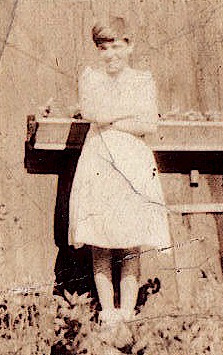
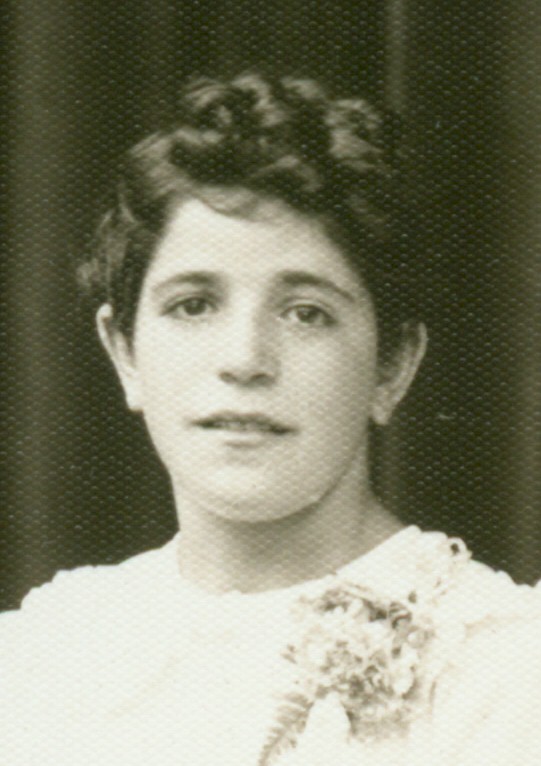
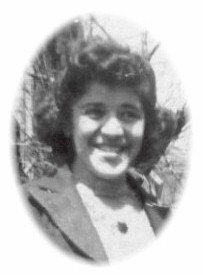
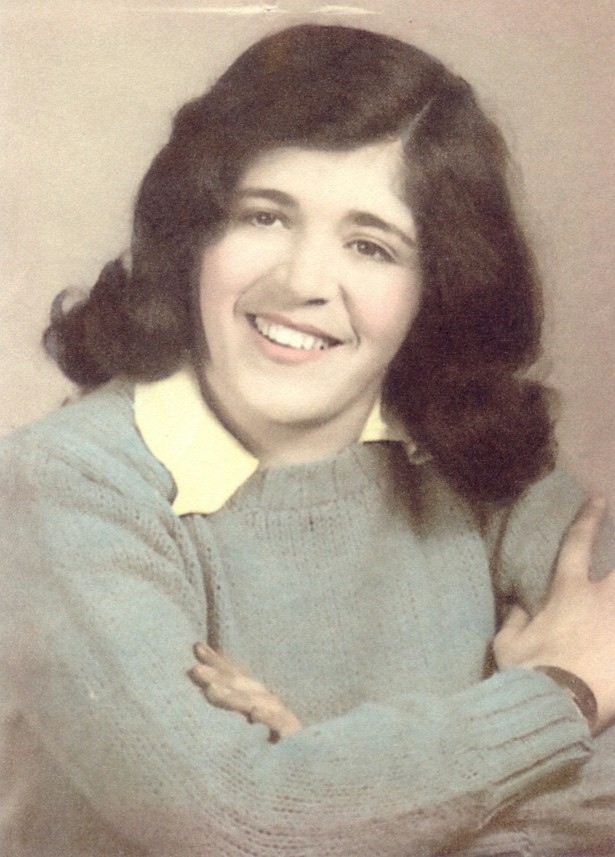
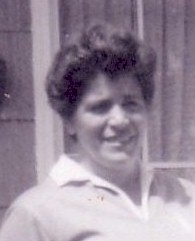
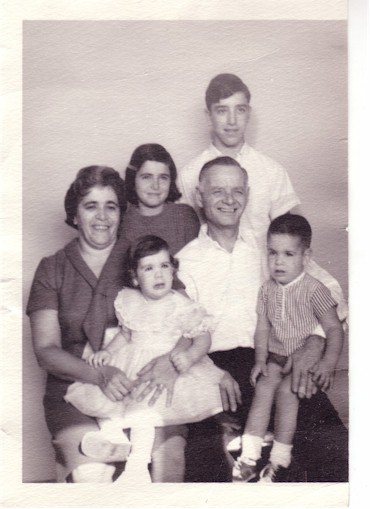
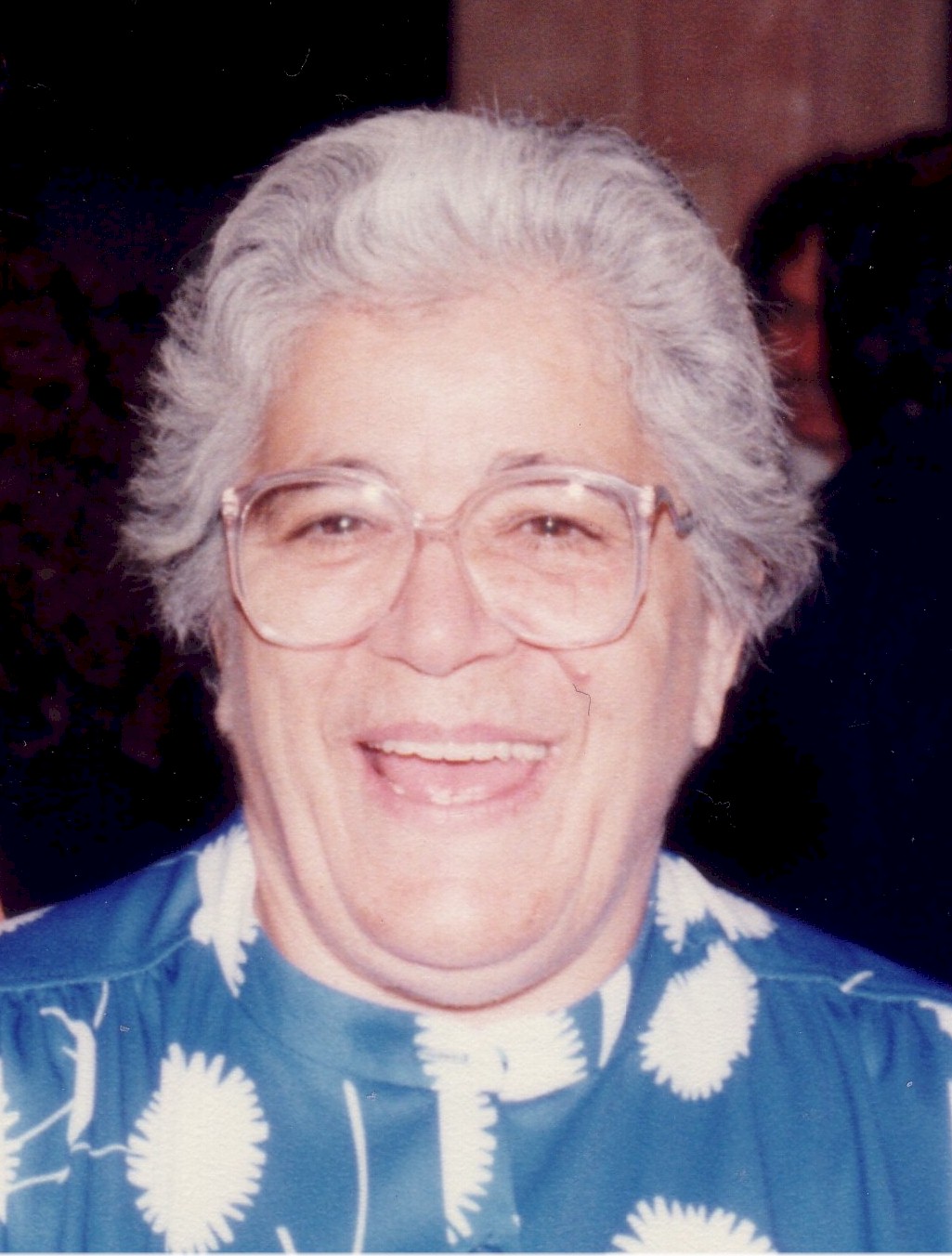
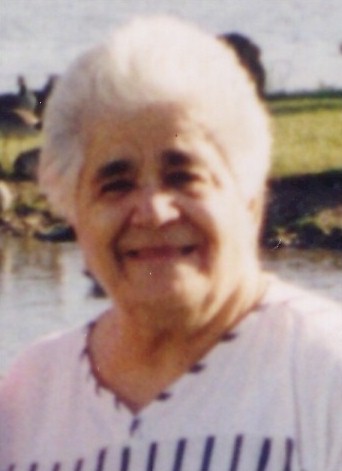
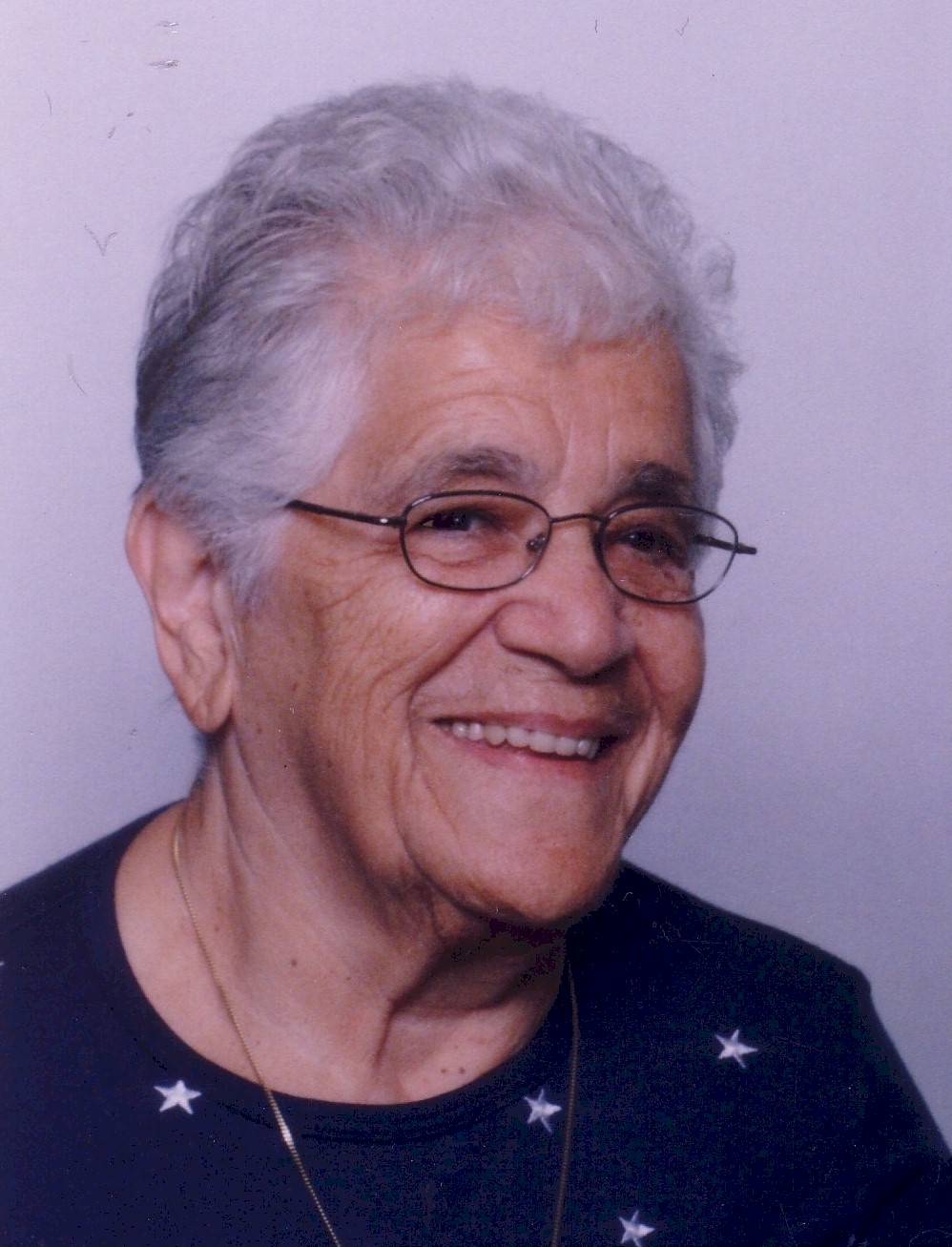
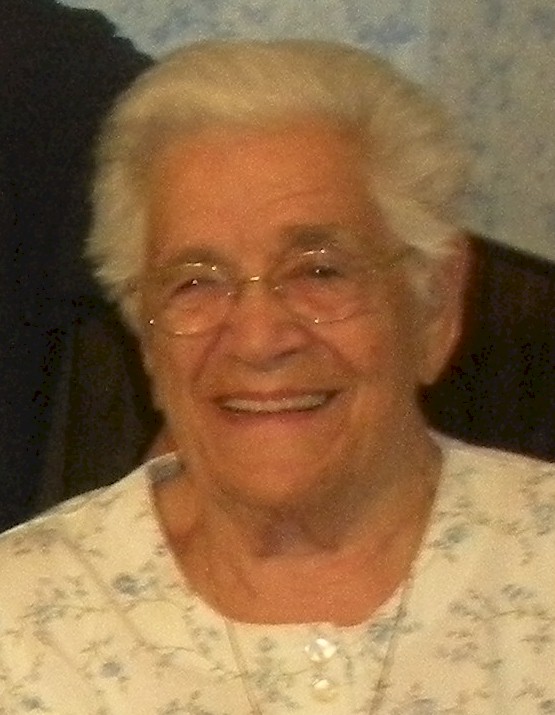
If someone should ask me to characterize my sister Mary, I’d tell them “She’s bossy, belligerent, stubborn, and sometimes pushy”. Then I’d ask myself “Why do I love her?” I love her because she was all those things, but she was also friendly, intelligent, happy, and generous. And even though she was a twin, she was one of a kind. I remember Mary as a bobby-soxed teenager, swooning over heart-throb singer Andy Russell, in the 1940s. I remember her as a great-grandmother, cooing over Samantha Rosa. Somewhere along the way, she also developed quite a fondness for Gregory Peck, and even had a bit part in a documentary about him. She made a family with her husband “Fiudi” Denisco. After he passed away at a young age, she was lucky to find Frank Sowa, and with him, she added to her family. To our parents, she was “Mariú”, to Fiudi’s family, she was “Marie”, and to her grandchildren, she was “Mare-Mare”. Mary was the queen of Italian cookies. Although in recent years, her twin, Connie, contested that title. When she made “ossi di morte”, those sweet confections called “dead man’s bones”, Mary apparently forgot one ingredient. For a while, her cookies weren’t as crisp and light as Connie’s. But that didn’t faze her. The first time she went to Sicily, she entered a pastry shop where they sold dead man’s bones. She tried one, and it was as hard as a rock. She told the proprietor “Mine are better than this!” That was Mary’s version of American diplomacy! There was nothing diplomatic or subtle about Mary. She spoke what she felt. Mostly, what she felt was love. Love for her husband; her fierce, protective love for her children; her strong love for her grandchildren and great-grandchild. Love for her brothers and sisters, and for her many, many friends. And in recent years, love for our long-lost cousins in Sicily and Belgium. Mary’s enthusiasm towards them (and her ability to speak their language) brought us all closer. She would phone them frequently. Her use of Sicilian brought sweet memories of our mother, and encouraged me to dust off my own knowledge of the language. When I called our cousins to tell them of her passing, each of them said they had spoken to her within the past week, and all of them sent their condolences to us. Mary put that same love into the cookies I spoke of, and into the quilts she made for us ~ and the dresses, curtains, shirts, you name it, that she sewed for family and friends: “Mare, can you shorten this; Mare, can you patch this; Mare, can you take in the waist?” She never answered no. It goes without saying that she was close to all her siblings. When she made fig cookies at Christmastime, she would always include a few 'special' ones, just for her brothers. She admired and looked up to our eldest sister Millie. She was like a sister to all her in-laws, and to Irene, her long-time neighbor. But she had a special bond with her twin, Connie. It was a bond that grew as both their families grew. And now, the twins’ children are not just cousins, but are more like brothers and sisters, extending that special bond down through the generations. It has always been hard to think of Mary without thinking of Connie, and vice versa. We’re thankful now, that in Connie, we still have a part of Mary. God bless her and keep her. Amen. |
||||||
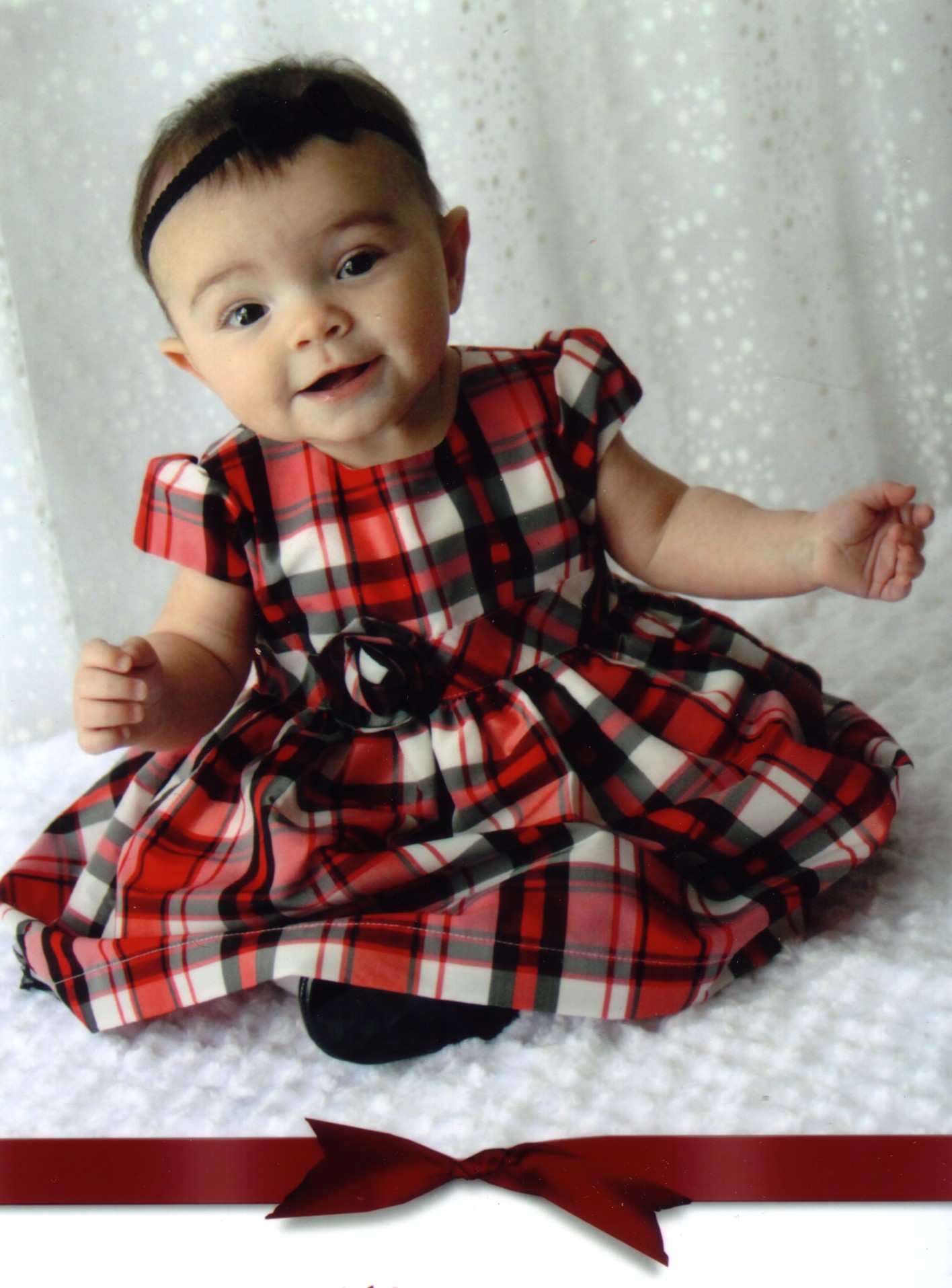
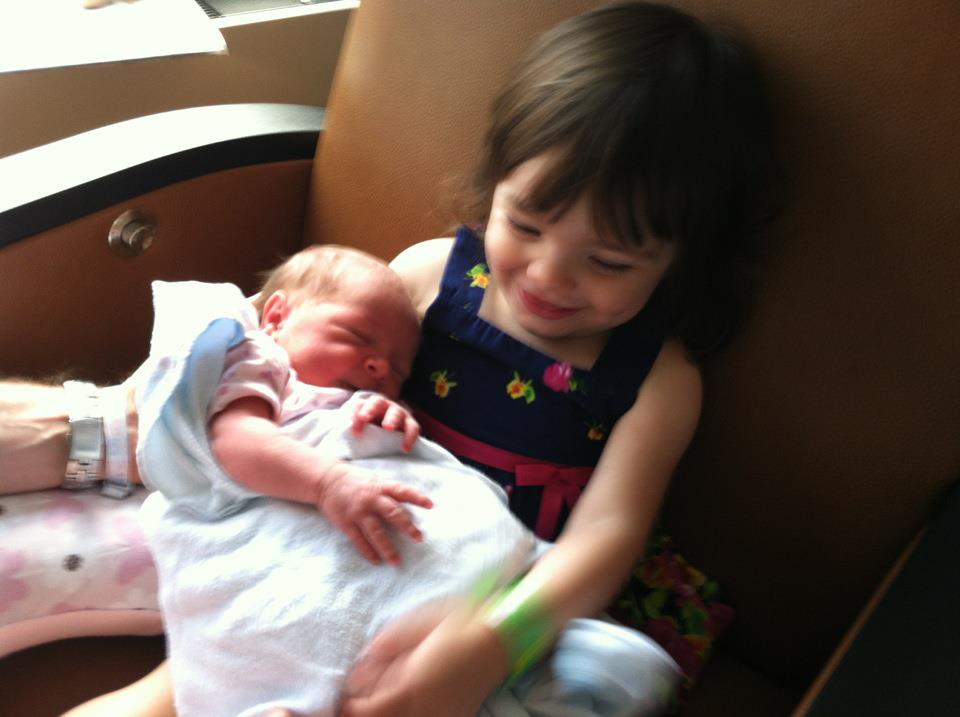
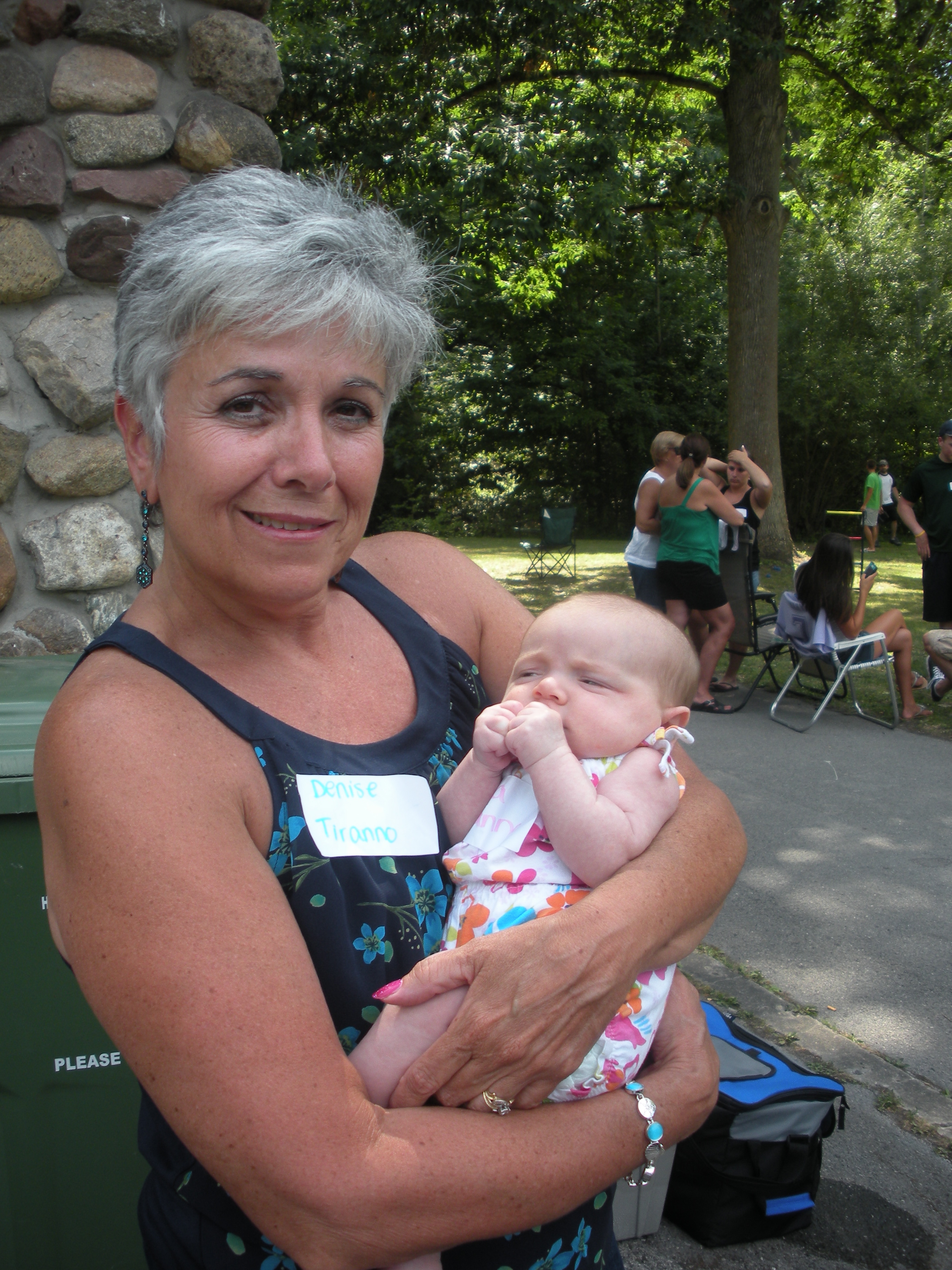
| Samantha Rosa Tiranno ~ 2010 | Tessa Noelle and Samantha Rosa Tiranno ~ June 2012 | Denise and Tessa Noelle ~ July 2012 |
 |
 |
 |
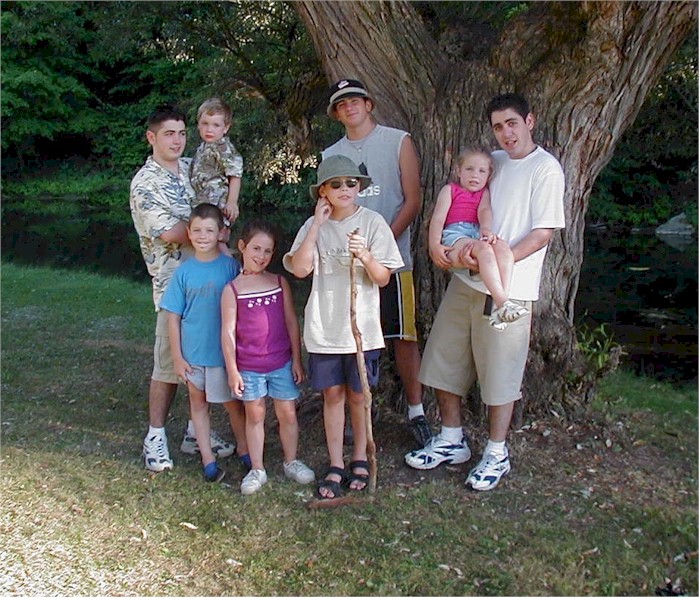
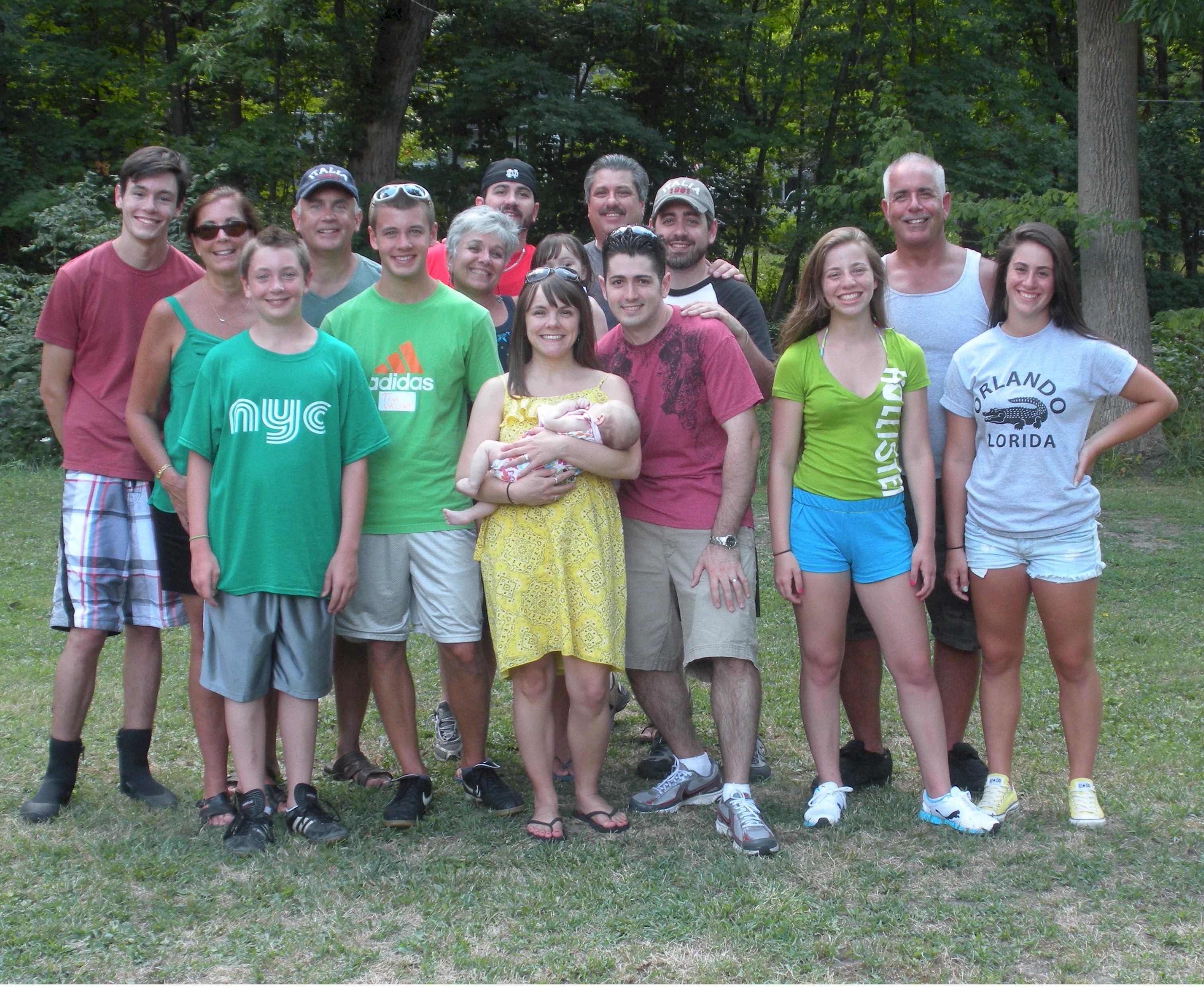
| Mary's, Fiore's and Frank Sr.'s progeny at the 2012 Coniglio Family Picnic |
 |
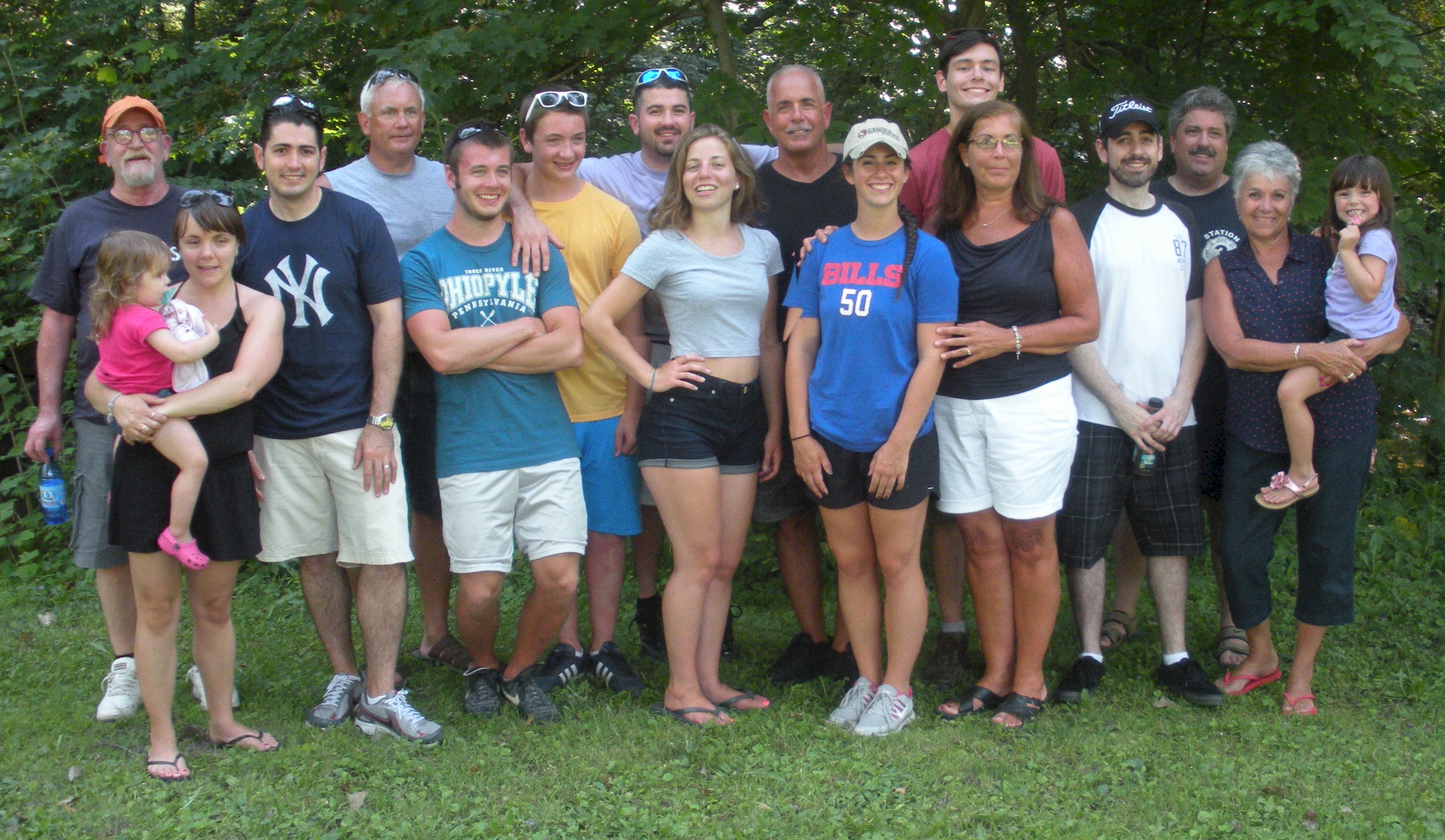
| . . . . and at the 2014 Picnic |
 |
. |